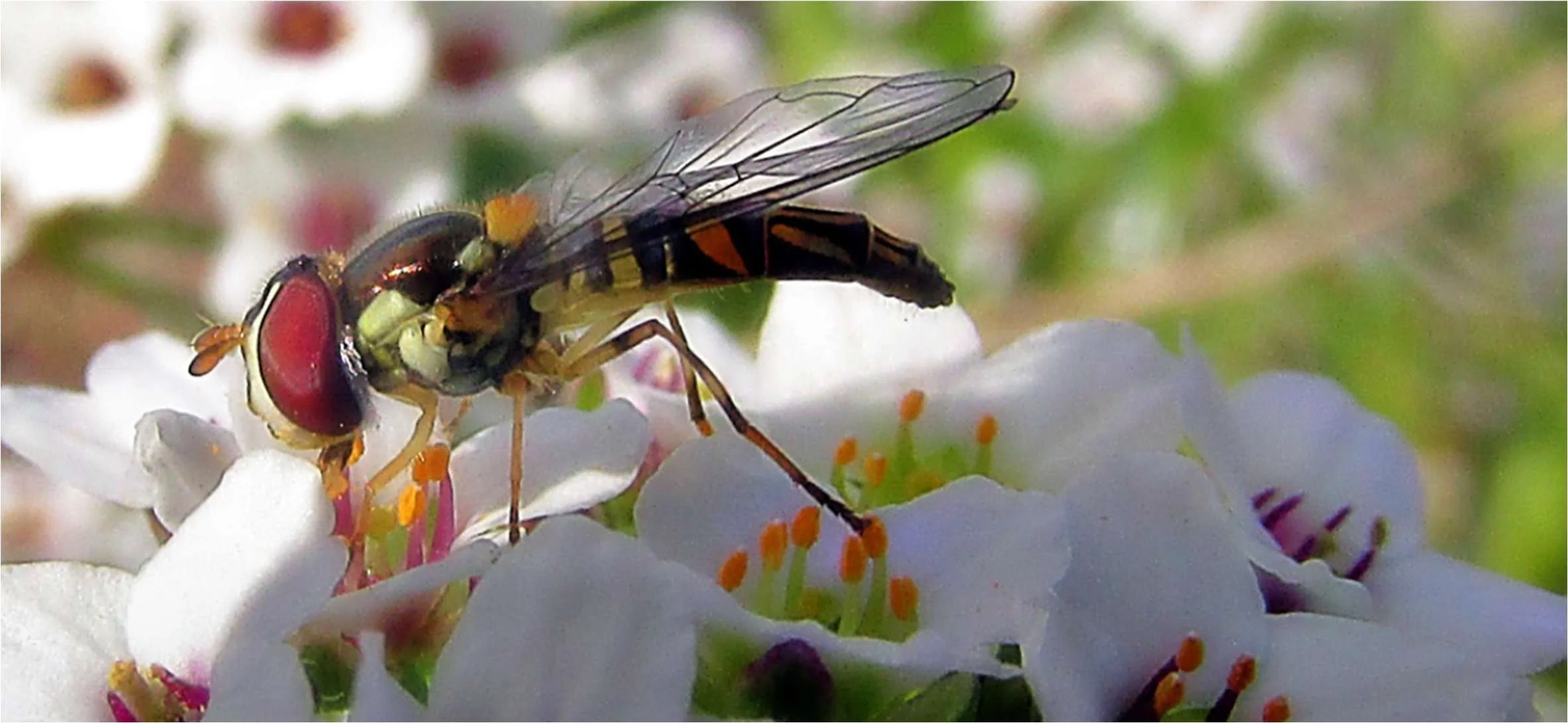
Preventative Organic Pest Management
This webinar discussed preventative organic pest management strategies. Click the link below for resources from this seminar.
This workshop included presentations in Chinese on the following: Invasive Pests and Why They Matter; Weed Control Alternatives to Dacthal; What to Expect During a Headquarter Inspection; Common Worker Safety Violations; Crop Disease Management. Click the link below for resources from this workshop.
This workshop included presentations on the following topics: Invasive Pests and Why They Matter; Weed Control Alternatives to Dacthal; What to Expect During a Headquarter Inspection; Common Worker Safety Violations; Crop Disease Management. Click the link below for resources from this workshop.
This seminar presented research on utilizing root leachate to stimulate microbial activity in soil organic matter deficient soils in bell pepper and cantaloupes. Click the link below for resources from this seminar.
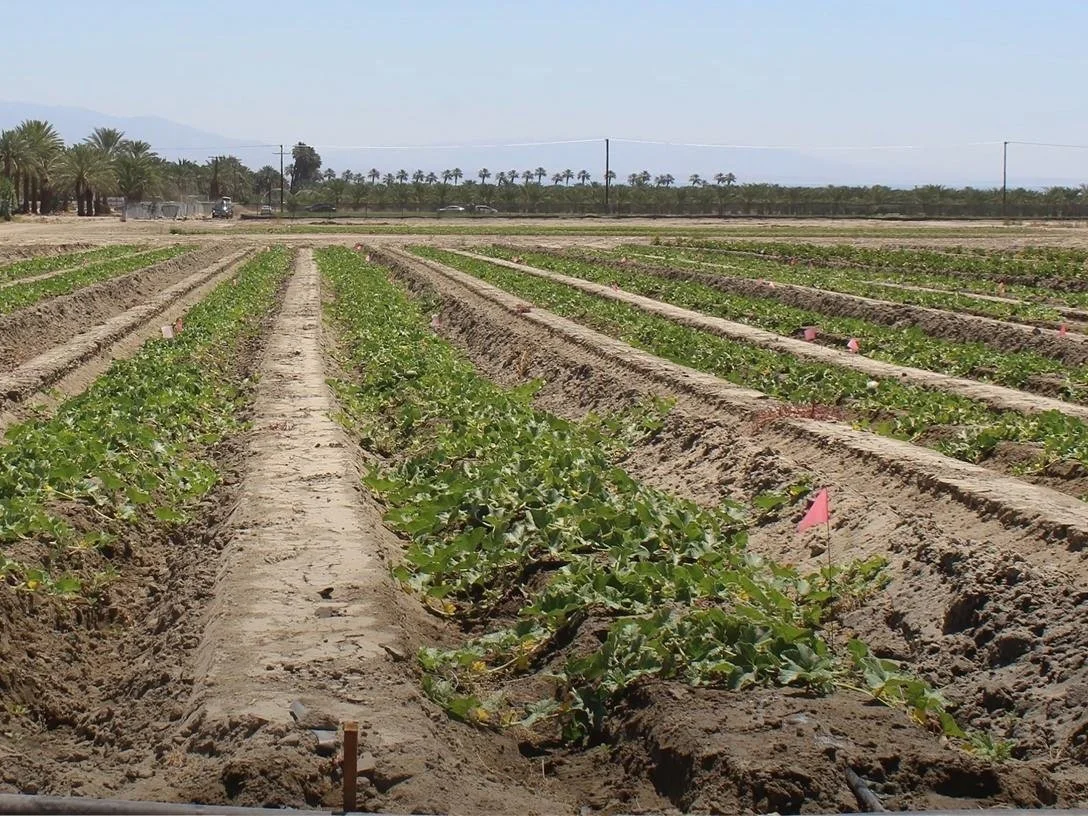
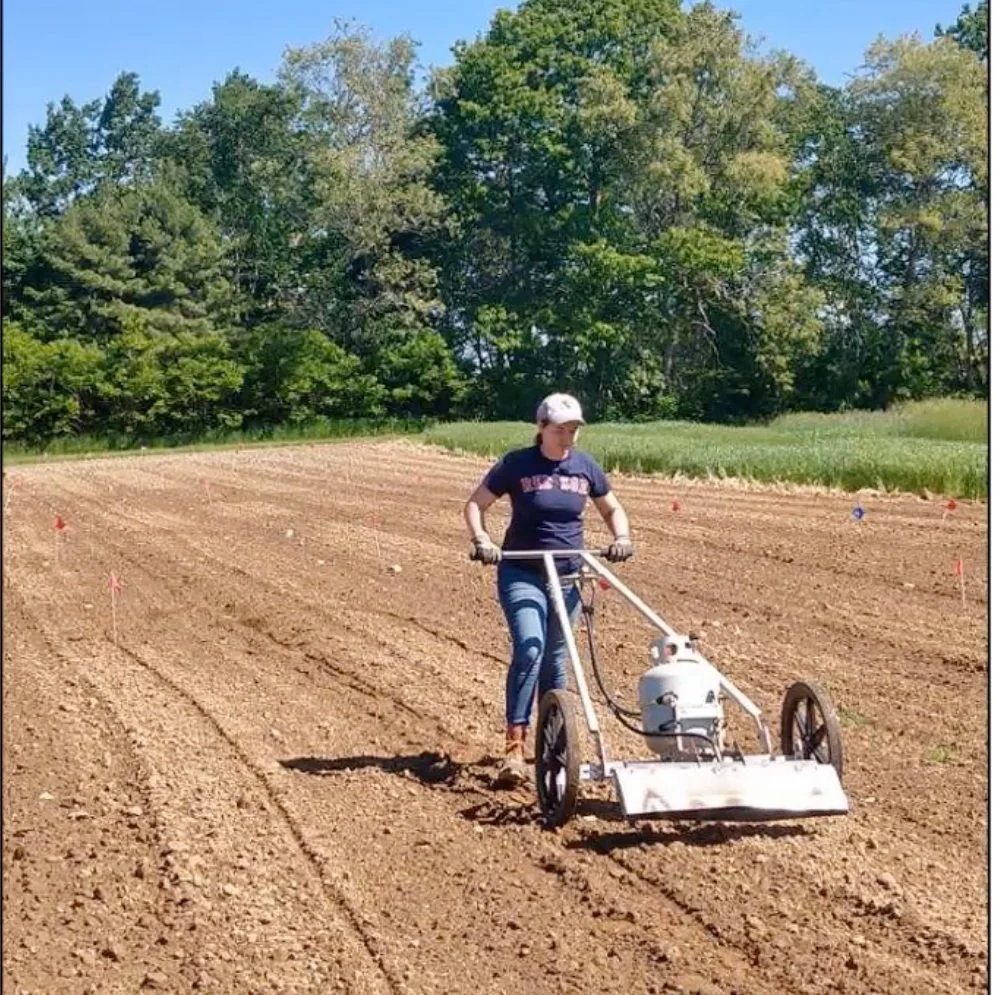
This seminar focused on strategies, tools and methods commonly utilized in "mechanized" small-scale systems for dealing with crop competitive annual and perennial weeds. Click the link below for resources from this seminar.
This seminar focused on common raptors that contribute to biological control of pests on farms, managing infrastructure to support raptors, including considerations for design, placement of nest boxes and perches to increase occupancy & biological control. Click the link below for resources from this seminar.
This webinar focused on weed management strategies for small-scale and organic vegetable farmers, and presented a set of practices that can greatly assist growers in managing weeds effectively. Click the link below for resources from this seminar.
In his presentation Daniel addresses the biology of thrips and developing solutions to minimize the impact of thrips and impatiens necrotic spot virus, which has emerged as the number one concern for the California lettuce industry. Click the link below for resources from this seminar.
This talk presented findings on alternative carbon substrates for anaerobic soil disinfestation (ASD) and survival of Fusarium oxysporum in ASD-treated soils. Click the link below for resources from this seminar.
In his presentation Alejandro addressed concepts related to IPM, including the definition of IPM, suggestions on how to scout; and he also discussed the most frequently encountered pests and beneficials in your organic crops. Click the link below for resources from this seminar.
This talk describes research on the use of biofumigant crops for nematode management and explores opportunities to use biofumigant cover crops or residues of winter cole crops for soilborne disease, soil health, and nutrient management in vegetable crops. Click the link below for resources from this seminar.
This seminar shared research information about when and to what extent the benefits of Mycorrhizal fungi are seen in California vegetable systems. Topics discussed included multiple ways different management practices could support (or not!) mycorrhizal fungi, from inoculation to soil health practices like cover cropping and reduced tillage. Click the link below for resources from this seminar.
This seminar describes the steps taken to discover, import, screen and develop petitions to release a novel bio-control agent into the US to help suppress the spotted wing drosophila. It also describes the potential levels of parasitism expected, and the administrative process to get material approved for field release.
This webinar focused on weed management strategies for small-scale and organic vegetable farmers. Topics included seedbank management, using tarps and flame weeding, physical weed control options, hand tools, cultivation tool stacking, and optimization of tools. Click the link below for resources from this seminar.
This workshop included presentations on the following topics: integrated pest management (IPM) of insects and diseases of vegetable crops; what to expect during a headquarters inspection; and Pesticide Handler training. Click the link below for resources from this workshop.
This workshop included presentations on the following topics: integrated pest management (IPM) of weeds, insect pests, and diseases of vegetable crops; what to expect during a headquarters inspection; and Pesticide Handler training. Click the link below for resources from this workshop.
This workshop included presentations on: IPM of ground burrowing rodents; Cal DPR respiratory protection regulations for pesticide handlers; Cal DPR regulatory requirements; and requirements for growers, PCA’s, and pesticide applicators in relation to honey bees. Click the link below for resources from this workshop.