Speaker: Gina Colfer, Sustainable Solutions Agronomy Manager for Organics at Wilbur- Ellis
Effective preventative organic pest management relies on a whole-systems approach integrating above-ground and below-ground biodiversity. By optimizing soil microbiomes and flowering habitats, organic growers can build natural defenses against pests, reducing reliance on chemical interventions.
Below-Ground Biodiversity: The Soil Rhizosphere
A complex, healthy soil system is the foundation of a successful pest management program. Plant roots are influenced within the rhizosphere by microbes that live and cycle within that root zone. These microbes thrive when soil has good structure, high organic matter, good nutrient content, and is neither compacted, too dry, nor waterlogged.
A diverse community of bacteria, fungi, archaea, earthworms, and soil-dwelling insects creates a disease-suppressive soil. Here, beneficial organisms outcompete harmful ones and trigger the plant’s natural defenses.
Proper irrigation management is vital to ensure microbes neither drown in waterlogged, anaerobic conditions nor desiccate in dry soils. Additionally, conservation tillage—such as reducing tractor passes from eight to three—preserves soil structure and prevents compaction.
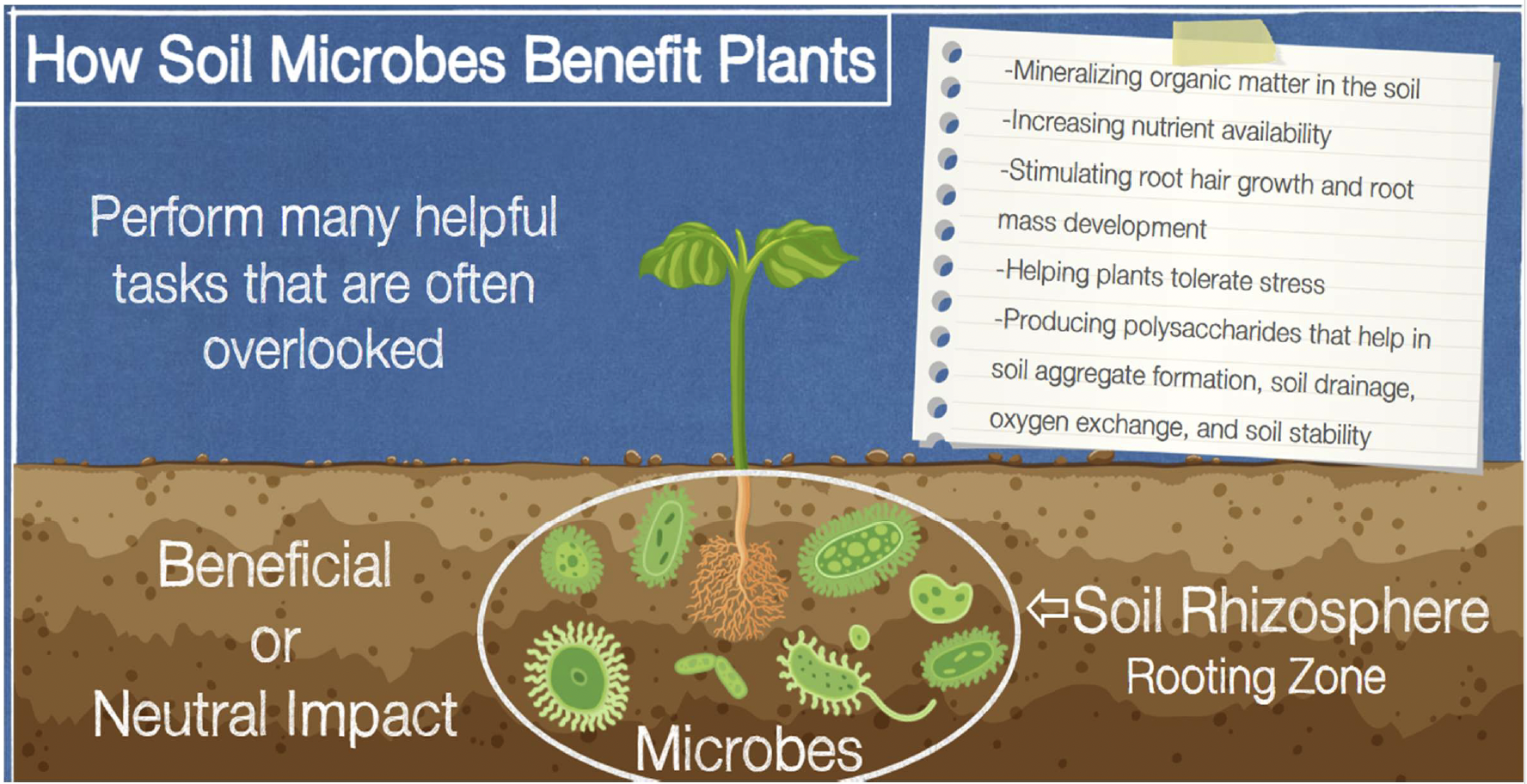
This infographic highlights the essential ways soil microbes in the rhizosphere benefit plants — by improving nutrient availability, root growth, and soil stability.
Feeding the Microbes: Common Carbon Sources
Microbes are influenced by the carbon and nutrients added to the soil. To support this biome, growers can apply various carbon sources:
Cover Crops: Add carbon/organic matter, improve water infiltration, reduce erosion, outcompete weeds, and provide a refuge for beneficial insects. They also leach out salts, reduce soil erosion, and increase water infiltration and holding capacity.
Compost: Supplies organic matter, nutrients, and microbial populations (quality is dependent on sound local sources).
Dry Pelleted Fertilizers: Deliver organic matter alongside N, P, K, Ca, Mg, Na, and other micronutrients.
Bio Char & Kelp: Bio char acts as a "forever carbon" home for microbes, while kelp sequesters large amounts of carbon.
Humic Acids & Nano Humin: Humic acids are large carbon molecules with high Cation Exchange Capacity, whereas nano humin consists of extremely small molecules that aid in delivery systems for soil and foliar applications.
Above-Ground Biodiversity: Flowering Habitats
Creating habitat through plant diversity is critical for attracting beneficial insects that naturally control pest populations. Unsprayed flower strips provide a critical refuge since beneficial insects are highly sensitive to broad-spectrum organic pesticides like Entrust and PyGanic. Predators eat pest insects, while parasitoids develop inside specific hosts and eventually kill them. Because some beneficial insects are very small and can be mistaken for pests, careful monitoring is essential.
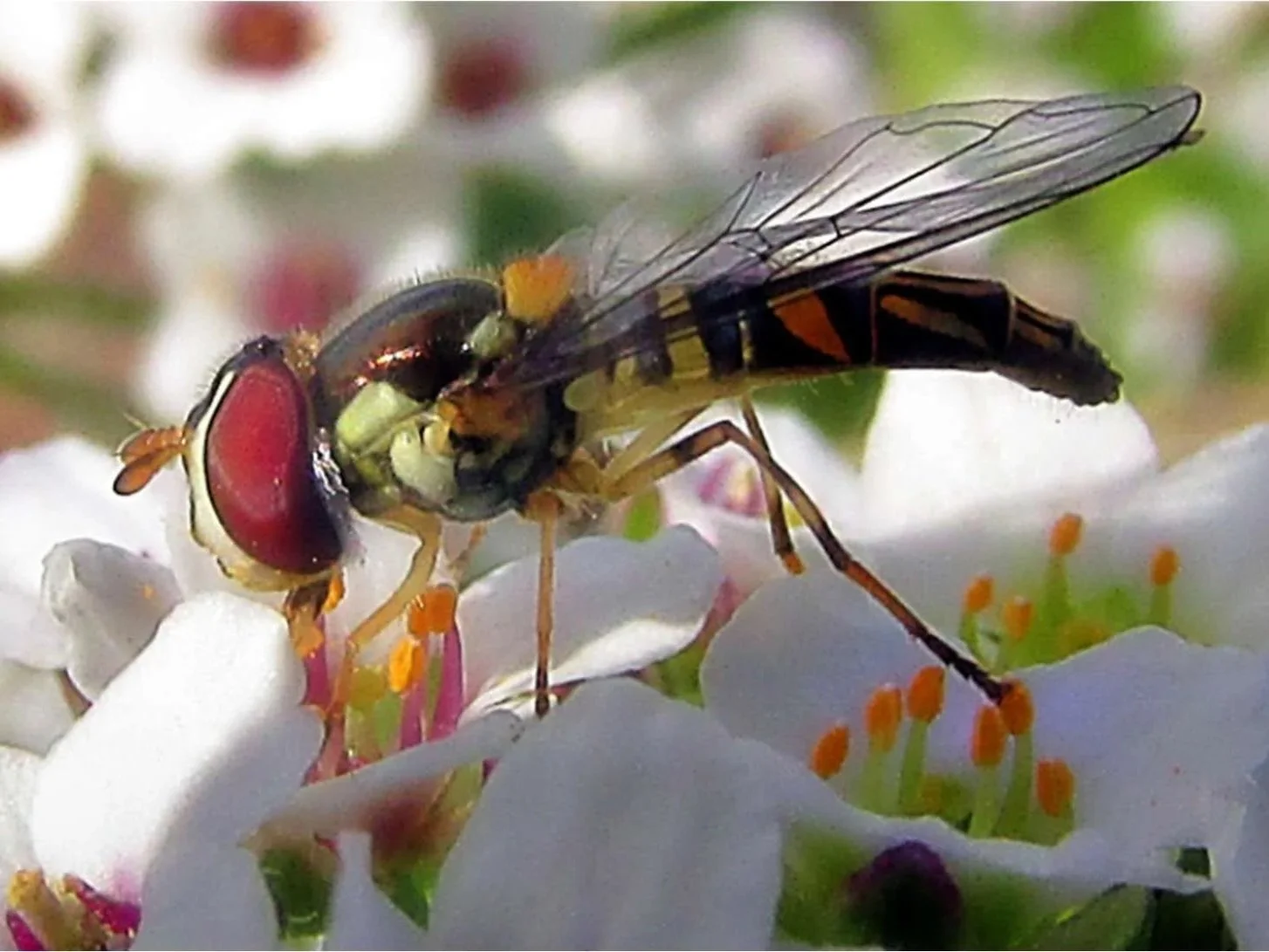
Flowering Habitat: Beneficial insects need pollen for protein and nectar for carbohydrates. Plants like alyssum, poppies, and lupin attract natural defenders. Alyssum is especially effective at drawing in smaller beneficials like parasitoids and syrphid flies (besides ladybird beetles) to target aphids. Poppies bring in pollinators, and dill is highly attractive to syrphid flies.. The minute pirate bug (Orius insidiosus) is highly aggressive, consuming 40 thrips a day and killing another 40 just for sport.
Wildlife as Part of the System: Vertebrate predators provide massive pest control benefits and farm biodiversity should include barn owls for rodents, and bats and songbirds for flying insects. A single clutch of barn owls can eat up to 3,500 rodents in a year. Place wooden nest boxes near open areas with clear flight paths, facing north or east, 10–18 feet high. Install in Nov–Jan and clean in late Oct–Nov. Bats and songbirds are highly effective at consuming flying insects during the day and night.

Strip plantings of flowering plants such as alyssum, poppies, and lupin attract and support predatory beneficial insects.
If You Spray, Get the "Four Rights" Right
Beneficial insects are highly sensitive to pesticide exposure (including organic products like Entrust and PyGanic). When organic pesticides are necessary, they must be used carefully. Consider proximity to flowering habitats to avoid harming beneficials. When organic pesticides are necessary, successful application depends on these factors:
When organic pesticides are necessary, they must be used carefully. High rates of newer peptide products can overstimulate the crop, causing detrimental effects.
Right Source: Understand the product and its specific requirements.
Right Time: Apply at the correct time of day or night.
Right Rate: More is not always better. Excessive rates of peptide products can overstimulate plants.
Right Place: Match the application method (foliar, drip, sprinkler, or drone) to the target pest.
Bonus: Select a surfactant that perfectly fits the application.
Drone applications provide exceptional coverage on leaf undersides, use lower water volumes, and can enter wet fields immediately after irrigation. Vetted organic options include Funtime (encapsulated thyme oil), T34 biocontrol (Trichoderma asperellum), Romeo (killed yeast strain), and 440 superior spray oil.
Highlights from Nitrogen Reduction Trial with Added Humic Acid and Microbial Consortium
On-farm trials demonstrating the whole-systems approach (adding humic acid and a microbial consortium while reducing nitrogen) yielded impressive results compared to a control group:
24% lower nitrogen use and 48% higher plant biomass.
31% larger crown circumference and 45% higher root biomass.
$1,700 return on investment (ROI).
Significantly less diamondback moth damage and fewer moths observed.
Key Takeaways
Whole-Systems Resilience: Preventative organic pest management relies on integrating healthy soil ecosystems with robust above-ground habitats to build resilient crops. A diverse microbiome with many species (bacteria, fungi, earthworms) creates a disease-suppressive soil where beneficial organisms outcompete pathogens.
Feed the Soil: A diverse soil microbiome, sustained by carbon sources like cover crops and compost, naturally suppresses disease and supports root development. Higher organic matter leads to a more stable microbial population, making the soil more resilient to stressors like drought, floods, and pests. Ensure soil has good structure, high organic matter, and proper moisture levels (not too dry or waterlogged).
Attract Natural Defenders: Establishing flowering habitats (like alyssum) and vertebrate predator habitats (like barn owl boxes) draws in beneficial insects and wildlife that naturally control pest populations.
Spray Smart (The Four Rights): When organic pesticides are necessary, carefully evaluate the right source, time, rate, and place to avoid harming beneficial ecosystems.