Apr
22
10:00 AM10:00
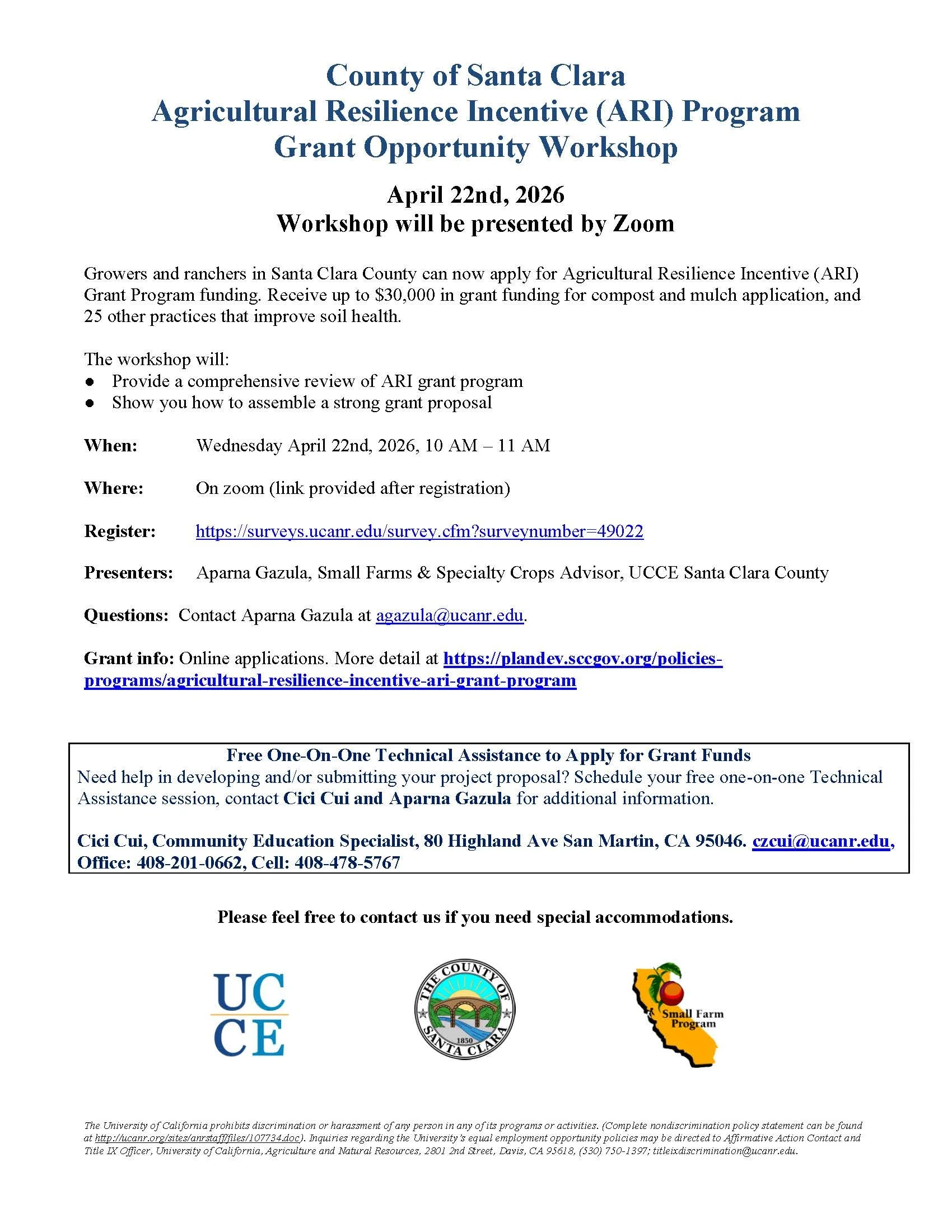
2026 Agricultural Resilience Incentive Grant Workshops
2026 ARI Workshop Registration Information
2026 ARI Workshop Registration Information
Please join us for a weekly lunch time seminar series. Each week we will be joined by a guest speaker who will give a 30 minute presentation.
Seminar registration: The seminars will be offered via Zoom. Please register for the seminar and the Zoom link will be emailed to you. Click the link below for resources from this workshop.
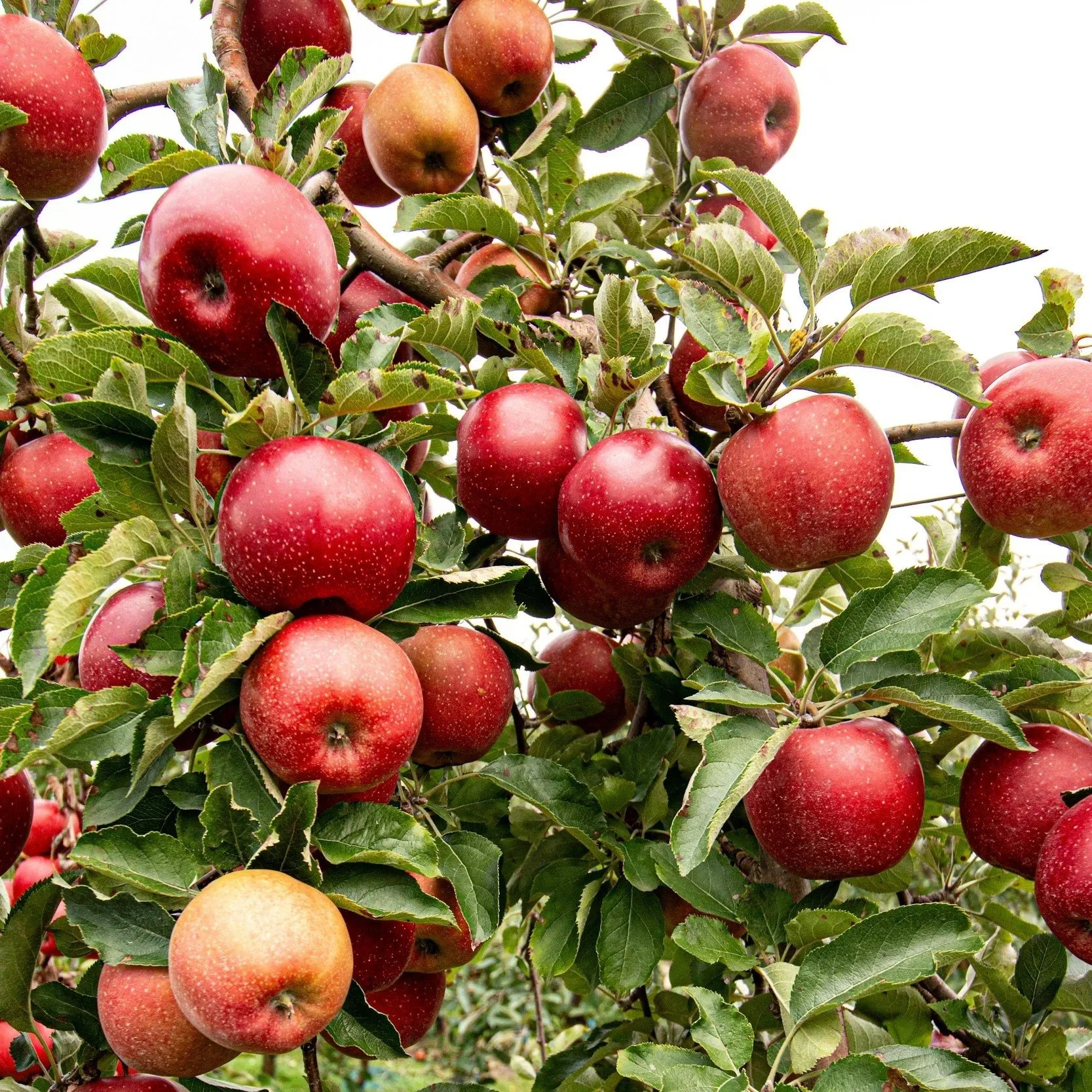
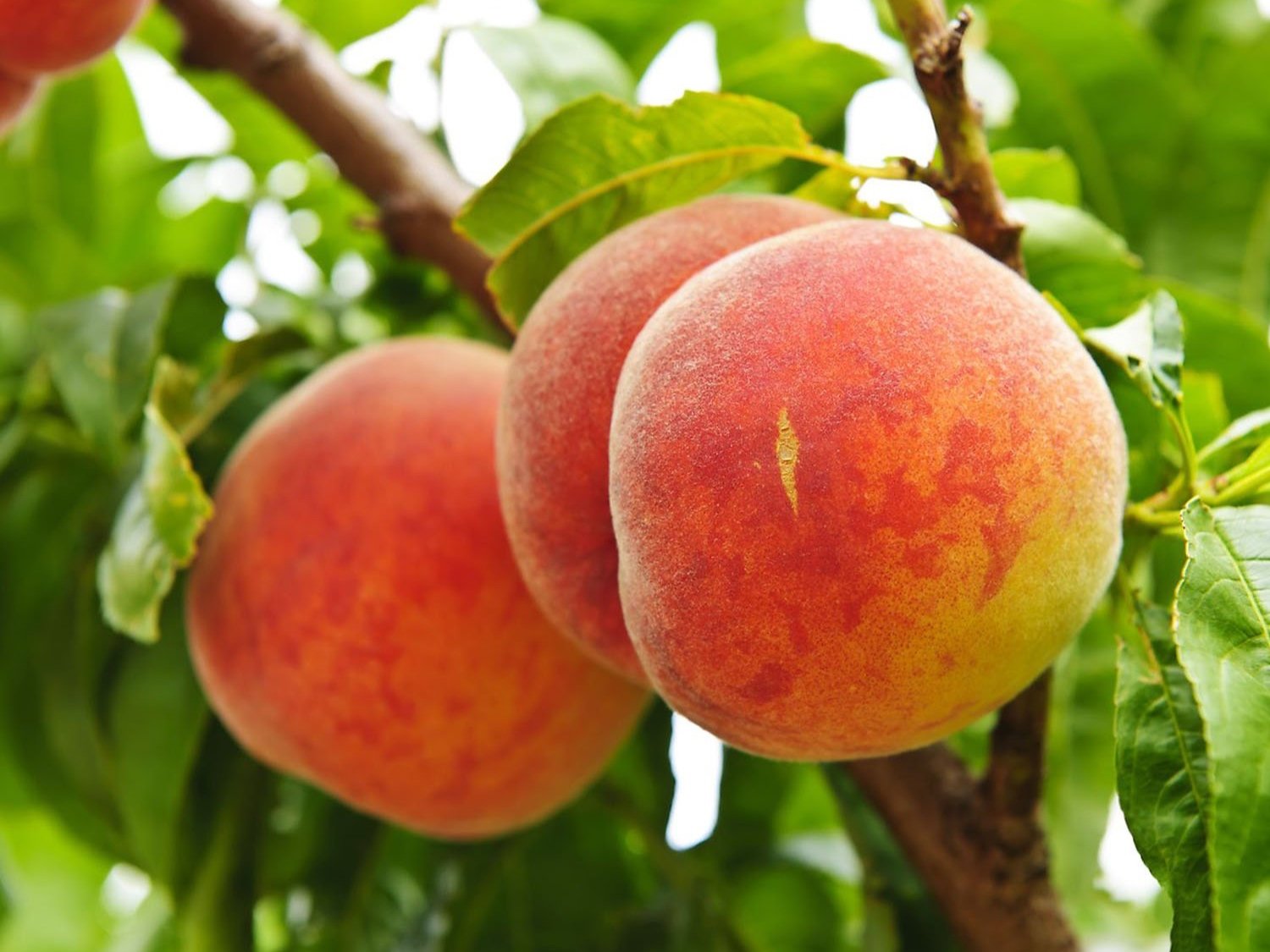
This workshop covered production information for the following tree crops: apples, cherries, peaches, plums, nectarines, prunes, and walnuts. Click the link below for recorded presentations and other educational resources from this workshop.
Please join us for a monthly lunch time webinar series. Each month we will be joined by a guest speaker who will give a 1-1.5 hour presentation.
Webinar registration: The webinars will be offered via Zoom. Please register for the webinar and the Zoom link will be emailed to you. Click the link below for resources from this workshop.
This workshop provided an overview about the Agricultural Resilience Incentive (ARI) Grant Program. Growers and ranchers in Santa Clara County can now apply for ARI grant program funding. Receive up to $30,000 in grant funding for compost and mulch application, and 25 other practices that improve soil health. Click the link below for resources from this workshop.
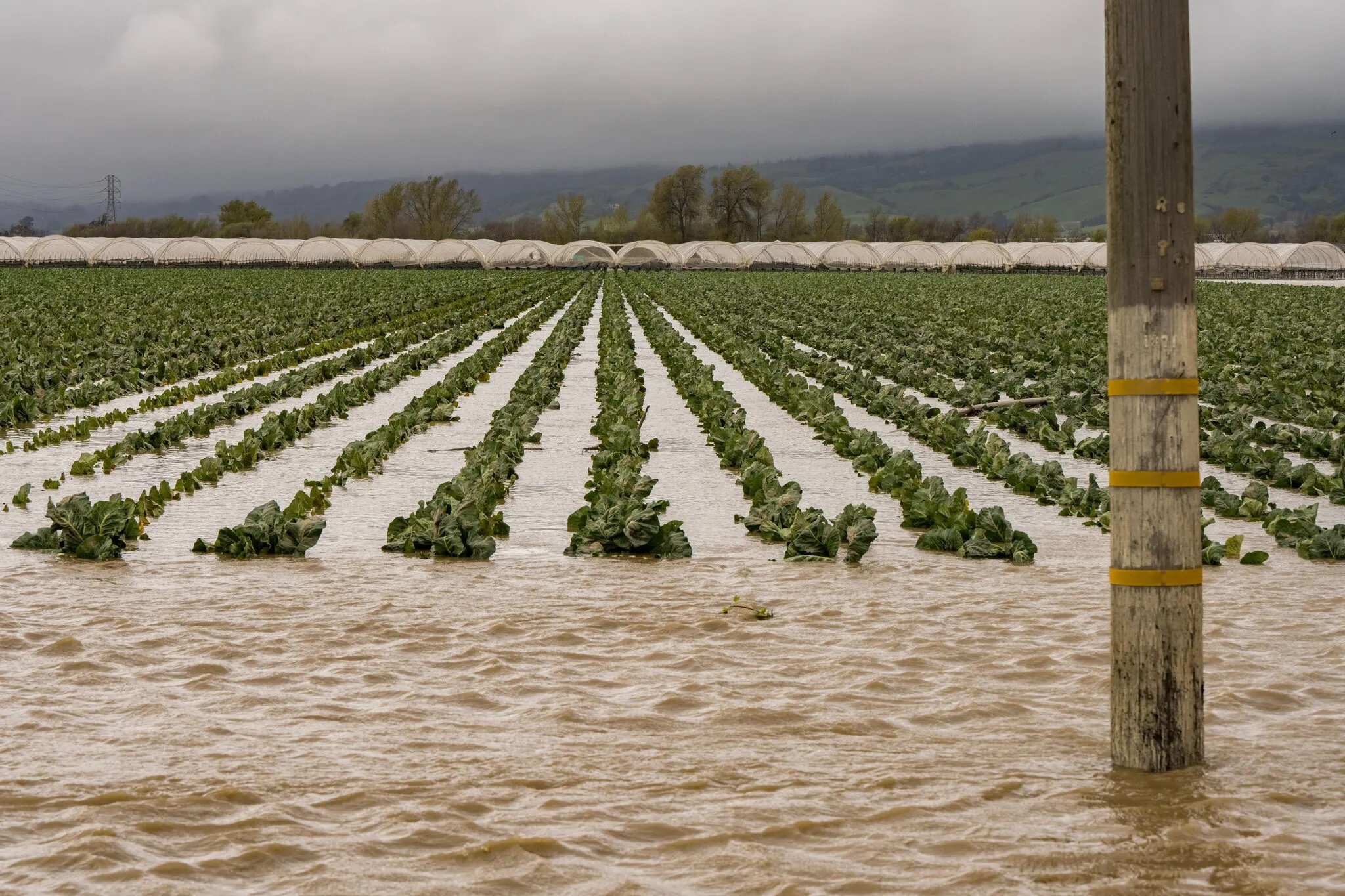
Grant Eligibility: Farms grossing less than $400,000 per year or dairy production grossing less than $1million per year, and documented losses due to extreme weather.
Please join us for an in-person focus group on irrigation for urban farmers gardeners. Space is limited, so please register at the link below.
This webinar discussed some of the ways soil health resilience is defined. Click the link below for resources from this seminar.
This webinar discussed the basics of sap testing and using research-based information to use sap tests as a monitoring tool for managing crop nutrient management practices. Click the link below for resources from this seminar.
This webinar discussed why it’s important to understand how plants acclimate to growing in the shade of their neighbors so farmers can enhance yields. Click the link below for resources from this seminar.
This webinar discussed examples of IPM techniques and how to integrate them together to manage various pests you may encounter on-farm. Click the link below for resources from this seminar.
This webinar discussed the role of soil microfauna as drivers of soil health. Click the link below for resources from this seminar.
Please join us for a weekly lunch time seminar series. Each week we will be joined by a guest speaker who will give a 30 minute presentation.
Seminar registration: The seminars will be offered via Zoom. Please register for the seminar and the Zoom link will be emailed to you. Click the link below for resources from this workshop.
This workshop included presentations in Chinese on the following: Invasive Pests and Why They Matter; Weed Control Alternatives to Dacthal; What to Expect During a Headquarter Inspection; Common Worker Safety Violations; Crop Disease Management. Click the link below for resources from this workshop.
This workshop included presentations on the following topics: Invasive Pests and Why They Matter; Weed Control Alternatives to Dacthal; What to Expect During a Headquarter Inspection; Common Worker Safety Violations; Crop Disease Management. Click the link below for resources from this workshop.
This workshop covered production information for the following tree crops: apples, cherries, peaches, plums, nectarines, prunes, and walnuts. Click the link below for recorded presentations and other educational resources from this workshop.
This seminar presented research on utilizing root leachate to stimulate microbial activity in soil organic matter deficient soils in bell pepper and cantaloupes. Click the link below for resources from this seminar.
This webinar discussed rhizosphere effect and priming it. Click the link below for resources from this seminar.
This webinar discussed an updated understanding of non-traditional plant nitrogen acquisition pathways and mechanisms. Click the link below for resources from this seminar.
This webinar covered the core aspects of organic certification and all that is needed to get and maintain organic certification. Click the link below for resources from this seminar.
This seminar discussed strategies for conserving biodiversity within California’s agricultural systems, and outlined ways to manage birds and take advantage of the benefits they can provide farmers, while minimizing harms to food production. Click the link below for resources from this seminar.
This webinar covered the opportunities and challenges in organic no-till systems and presented experiences from tractor and hand-scale research. Click the link below for resources from this seminar.
This seminar focused on strategies, tools and methods commonly utilized in "mechanized" small-scale systems for dealing with crop competitive annual and perennial weeds. Click the link below for resources from this seminar.
While plastic mulch reduces weeds, disease, and increase yields, it can also create problems with runoff and soil erosion during rainy winter periods. One solution to solve this environmental problem is to grow cover crops in furrows between beds. Click the link below for resources from this seminar.
This seminar focused on common raptors that contribute to biological control of pests on farms, managing infrastructure to support raptors, including considerations for design, placement of nest boxes and perches to increase occupancy & biological control. Click the link below for resources from this seminar.
This webinar focused on weed management strategies for small-scale and organic vegetable farmers, and presented a set of practices that can greatly assist growers in managing weeds effectively. Click the link below for resources from this seminar.
In his presentation Daniel addresses the biology of thrips and developing solutions to minimize the impact of thrips and impatiens necrotic spot virus, which has emerged as the number one concern for the California lettuce industry. Click the link below for resources from this seminar.
This talk presented findings on alternative carbon substrates for anaerobic soil disinfestation (ASD) and survival of Fusarium oxysporum in ASD-treated soils. Click the link below for resources from this seminar.
This seminar discussed how breeding can be done today, who can use what germplasm for which purpose, and how to reclaim a seed commons. Click the link below for resources from this seminar.
In his presentation Alejandro addressed concepts related to IPM, including the definition of IPM, suggestions on how to scout; and he also discussed the most frequently encountered pests and beneficials in your organic crops. Click the link below for resources from this seminar.